Motivational speakers and the crisis
I would not want to be a motivational speaker these days! We have an economic crisis, and a financial one, and a political one, and an emotional one,…
Read more
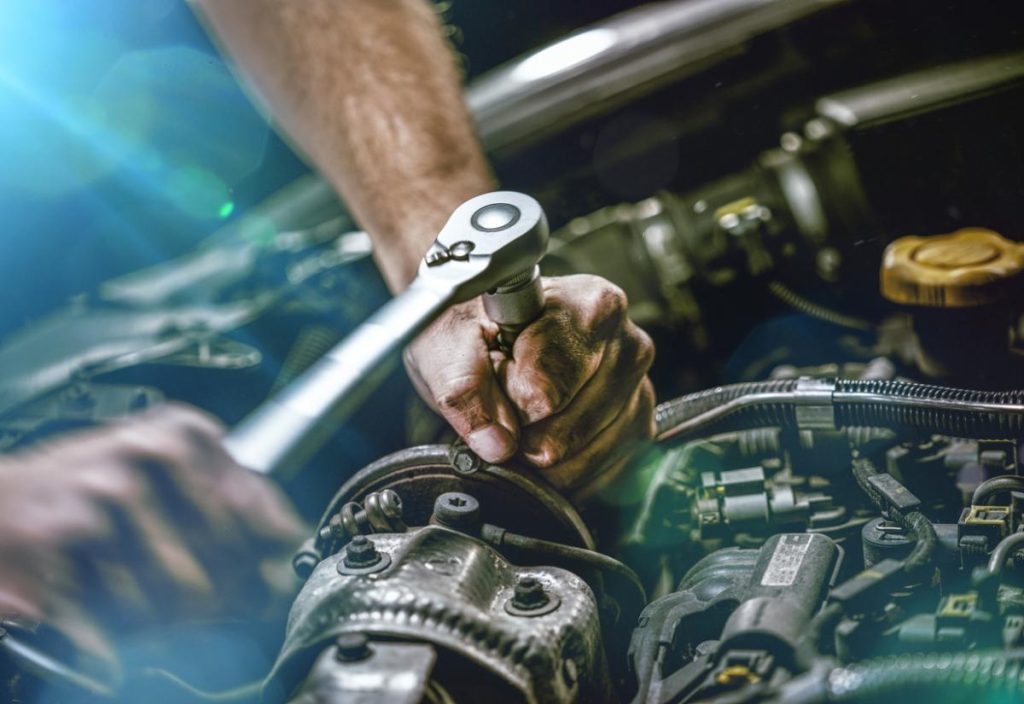
In my childhood (needless to say, I belong to the triple X generation) I often watched the old-timers repair things. A television, for example. The family sat in front of the set watching a film, the picture started to roll, and grandad hauled himself up, walked over and gave it a smack. Then a few more. Sooner or later the TV worked out that it could not come out of this on top, so it healed itself. Grandad returned to his favourite armchair and went on watching the film with the dreamy gaze of the experienced repairman.
That is how the old-timers repaired things, and that is how they kept the world running. They were strong, slightly hot-tempered people who intimidated household objects from the boiler to the Lada.
There are also zen stories in which the student asks the master a question, and instead of an answer the master hits them over the head with his stick so hard that they lie down in the grass - whereupon they are instantly enlightened. And let us not forget the fatherly slaps that bring the naughty child to their senses!
It has happened that a blow did improve something, but it certainly did not repair it. A slap, sudden pain or a fright can jolt someone out of behaviour that has become manic. We can gaze mistily at these miracles and forget that this is the exception, and that alongside it a thousand other blows made things worse.
Hitting is easier than understanding - but understanding always works, while hitting works once in a thousand times.
Traders quickly realise that they have to change their habits if they want results. They give it a try, they fail - and the punishment arrives. As children most of us were punished, often, and sometimes harshly, when we made mistakes, and that is how the self-berating inner voice and self-punishment became a reflex.
The problem with punishment is that it illuminates nothing, gives no positive model, and does not help create the constructive, inspiring environment that would be the soil for change. A behaviour pattern is an automatism: breaking it up and putting something else in its place does not happen from one moment to the next. Making mistakes is part of the process - punishment only slows it down, and may make it impossible.
More articles
I would not want to be a motivational speaker these days! We have an economic crisis, and a financial one, and a political one, and an emotional one,…
Read moreIt often happens that the same or a similar life situation forms, and in the end we always come out of it the same way. Let us use…
Read more