The secret of the fast but not hasty decision
Life sometimes forces us to decide quickly - quickly and well. What is the secret of good decisions made fast? The procedure.
Read more
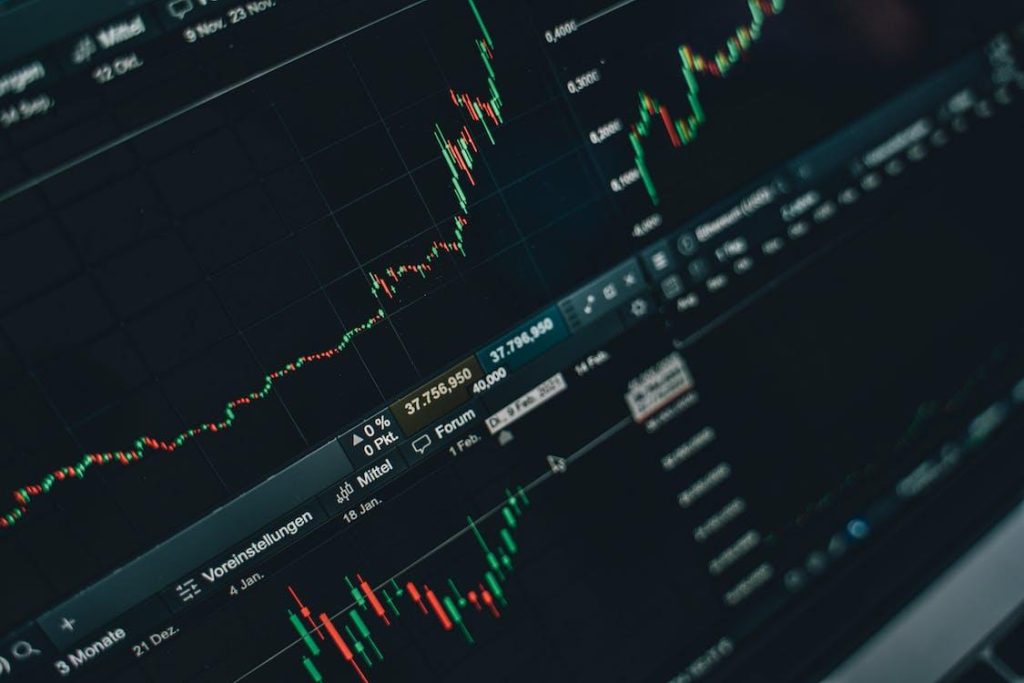
A question that comes up again and again in training: how many currency pairs can you watch effectively? The answer: it depends on your personality, and on the circumstances you trade in.
If you have a full-time job, or anything else that takes up your attention, you are better off watching only one or two pairs. Because your focus is elsewhere, you need to have the background in your head the moment you glance at the chart: the history, the important levels, the trend so far. Of course this also requires that you only enter a position when the setup is strong, and that you have the patience not to want to trade everything.
Some people can afford to follow more pairs. They analyse the pairs in the morning or in the evening, filter out the ones worth watching further, and during trading hours they look only at those.
The human mind can pay attention to 7-11 variables or stimuli.
Once you factor in the environment you trade in (workplace, trading floor, home), the external distractions count too. Monitoring several pairs and switching between timeframes puts even more load on the mind.
Fortunately, with today’s technology there are tools that help filter the noise. Charting software can be set up with very specific alerts. Constantly switching between a web interface and MT4 can be exhausting, so let me point you to the following family of indicators.
fxev.hu/indikatorok
Trading sessions: it shows the Asian, London and New York trading periods. You can set an alert for when price leaves the range of a given session, or returns to it.
Structure indicator: an excellent tool for seeing the structure shift on several timeframes of the same pair at once. It spares you from switching up and down between timeframes, and you do not have to watch it constantly, because you can attach an alert to it.
Order Block indicator: it shows the order block zones of the different timeframes, helps you refine down to a smaller timeframe, and it even marks liquidity. Naturally not every order block is tradable - many of them are traps - but it saves you time and attention if you only have to pay attention when the alert fires.
In a world of ads and collaborations you might now think this article is just marketing too. The reason I consider these important is that one of the biggest mental traps is what I call “watching the movie”: after the analysis we form a picture of what will happen, and in theory we know it is important to stay objective, but in practice a trigger during tense watching often makes us jump into the market… …I know, only beginners do that…
More articles
Life sometimes forces us to decide quickly - quickly and well. What is the secret of good decisions made fast? The procedure.
Read moreTo understand how a trader can consistently make good decisions, we have to understand the mechanism of decision-making itself. The basis of a good decision is data.
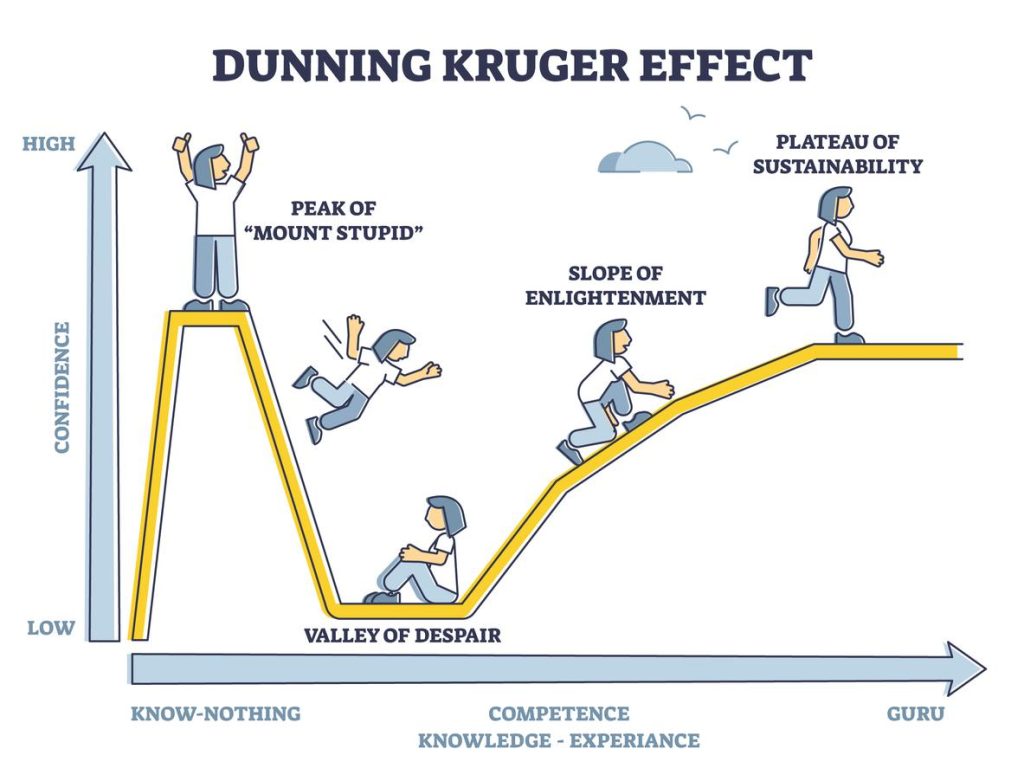
Read moreDavid Dunning and Justin Kruger, researchers at Cornell University, first published their results in 1999, and they came as a serious shock to many. They summed up their…
Read more